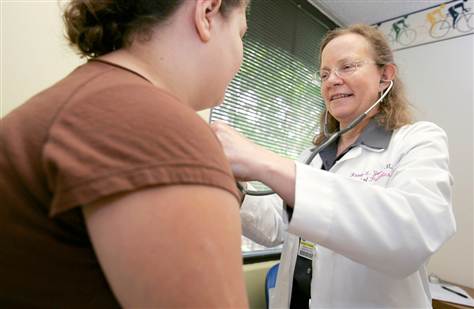
Researchers found that overweight people repeatedly placed in a stressful situation exhibited increasing amounts of interleukin-6, an inflmmatory marker, in their saliva.
This cytokine is secreted by T cells and macrophages to stimulate immune response, e.g. during infection and after trauma, especially burns or other tissue damage leading to inflammation. Additionally, interleukin-6 has been associated with a number of conditions for which obesity itself creates an increased risk, including atherosclerosis, type 2 diabetes, cancer and fatty liver disease.
The experiment consisted in placing subjects in stressful situations, including a very unfriendly job interview and a difficult oral math exercise. They then took saliva samples to see how the stress affected the release of inflammatory mediators.
Researchers observed that lean people started out with lower interleukin-6 levels than obese people, but all participants exhibited similar amounts of biochemical response to stress. However, when the stress situation were repeated the following day, obese people doubled the concentrations while lean people's response was similar to the previous day. Interestingly, on the second day, intrerleukin-6 concentrations in saliva correlated with body mass index.
Source: http://www.cbsnews.com/news/for-obese-stress-may-be-even-more-deadly/
Monday, 29 September 2014
Stress is more deadly for obese people than for lean ones
Labels:
BMI,
cytokine,
inflammation,
overweight,
stress
Tuesday, 9 April 2013
Eating late reduces the success of weight-loss therapy
Do you have late dinners? If you are one of those that use to eat late at night or before going to bed and your are trying to lose weight, your chances of success may be reduced.
According to a new study with 420 individuals on a 20-week weight-loss treatment, late lunch eaters lose less weight and display a slower weight-loss rate than early eaters. Despite energy intake was similar in both groups, late eaters had less energetic breakfasts and skipped breakfast more frequently that early eater.
Although researchers could not demonstrate any significant relationship with sleep duration, CLOCK rs4580704 single nucleotide polymorphism or morning/evening chronotype and weight loss, they recommend that novel therapeutic strategies should incorporate not only the caloric intake and macronutrient distribution, but also the timing of food.
Source: International Journal of Obesity
According to a new study with 420 individuals on a 20-week weight-loss treatment, late lunch eaters lose less weight and display a slower weight-loss rate than early eaters. Despite energy intake was similar in both groups, late eaters had less energetic breakfasts and skipped breakfast more frequently that early eater.
Although researchers could not demonstrate any significant relationship with sleep duration, CLOCK rs4580704 single nucleotide polymorphism or morning/evening chronotype and weight loss, they recommend that novel therapeutic strategies should incorporate not only the caloric intake and macronutrient distribution, but also the timing of food.
Source: International Journal of Obesity
Tuesday, 29 January 2013
Obesity also a threat in developing countries
Sadly, we are getting accustomed to see emaciated
people in poor countries and extremely fat people in rich countries.
However, as countries develop this is getting far form reality as
both starvation and obesity are closely linked with poverty, and as
such they are both symptoms of malnutrition.
The negative effects of
unhealthy processed fat and sugar-rich diets in combination with low
physical activity began to be recognized in the early 1990s, but they
did not become clearly acknowledged until diabetes, hypertension, and
obesity began to dominate the world.
As well as in countries
with high income levels, rates of obesity and overweight are widely
documented in the poorest countries of sub-Saharan Africa and South
Asia. In these countries, higher incomes imply access to unhealthy
fattening food, and consequently, higher prevalences of obesity.
Healthy food is usually either not available or not affordable. While
in the developed world, obesity is already considered a pandemic,
this is also now true for the developing countries. Obesity is
affecting both rich and poor countries and causing more deaths than
undernourishment, according to the World
Economic Forum, which is actually bankrupting economies and
short-changing future generations in a major way.
Governments from the
richest countries have stated to implement policies to fight the
pandemic, with an array of large-scale programmatic and policy
measures. However, few developing countries are engaged in serious
efforts to prevent the serious dietary challenges being faced.
Labels:
developing countries,
obesity,
pandemic,
unhealthy food
Combining BMI with Central Obesity for risk of mortality in subjects with Coronary Disease
In patients with coronary artery disease (CAD), normal weight in combination with central obesity is associated with the highest risk of mortality. This is the conclusion of a meta-analysis conducted with data of 15,547 participants (mean age 66 years) with CAD who took part in 5 studies from 3 continents.
The researchers identified 4,699 deaths in 4.7 years. After adjusting for potential confounders, the worst long-term survival
was observed in the subjects with normal weight but who had central
obesity. In other words: a person with a BMI below 25 kg/m², but who had a waist-to-hip
ratio (WHR) of 0.98 had significantly higher mortality than a person
with a similar BMI and a WHR of 0.89. More surprisingly, these people had significantly higher mortality than a person with a BMI of 30
kg/m² and WHR of 0.89 or 0.98.
During a median follow-up
of 4.7 years, the researchers identified 4,699 deaths. The worst
long-term survival was observed in people of normal weight who displayed
central obesity: a person with a BMI of 22 kg/m² who had a waist-to-hip
ratio (WHR) of 0.98 had significantly higher mortality than a person
with a similar BMI and a WHR of 0.89 (hazard ratio, 1.10); they also had
significantly higher mortality than a person with a BMI of 30 kg/m² and
WHR of 0.89 or 0.98 (hazard ratios, 1.61 and 1.27, respectively).
Read more at: http://medicalxpress.com/news/2013-01-cad-highest-mortality-central-obesity.html#jCp
During a median follow-up
of 4.7 years, the researchers identified 4,699 deaths. The worst
long-term survival was observed in people of normal weight who displayed
central obesity: a person with a BMI of 22 kg/m² who had a waist-to-hip
ratio (WHR) of 0.98 had significantly higher mortality than a person
with a similar BMI and a WHR of 0.89 (hazard ratio, 1.10); they also had
significantly higher mortality than a person with a BMI of 30 kg/m² and
WHR of 0.89 or 0.98 (hazard ratios, 1.61 and 1.27, respectively).
Read more at: http://medicalxpress.com/news/2013-01-cad-highest-mortality-central-obesity.html#jCp
During a median follow-up
of 4.7 years, the researchers identified 4,699 deaths. The worst
long-term survival was observed in people of normal weight who displayed
central obesity: a person with a BMI of 22 kg/m² who had a waist-to-hip
ratio (WHR) of 0.98 had significantly higher mortality than a person
with a similar BMI and a WHR of 0.89 (hazard ratio, 1.10); they also had
significantly higher mortality than a person with a BMI of 30 kg/m² and
WHR of 0.89 or 0.98 (hazard ratios, 1.61 and 1.27, respectively).
Read more at: http://medicalxpress.com/news/2013-01-cad-highest-mortality-central-obesity.html#jCp
Labels:
BMI,
CAD,
central obesity,
mortality,
waist circumference,
waist-to-hip ratio
Tuesday, 16 October 2012
Do all dietary fats increase body weight? The Olive oil case
Is it paradoxical that olive oil intake does not increase body weight? It seems so, as olive oil is an energy-dense food, frequently consumed in south European countries. These countries have increasingly high obesity prevalence, according to different international organizations, including the World Health Organization. Actually, in 2008 the New York Times published that the Mediterranean Diet had succumbed to fast food.
However, recent evidences are pointing out in the opposite direction, indicating that olive oil could be helpful against body weight gain. A cross-sectional study on 6,352 Spanish adults, published early this year, showed that olive oil intake did not affect body mass index (BMI) and the risk of obesity after adjustment for total energy intake.
Alright, but this is a cross-sectional study. ¿What happens if olive oil is administrated to a group of human subjects? The strongest evidence we have to date is the results of the PREDIMED study. This is a three-arm randomized trial aimed to assess the effects of Mediterranean Diet in primary cardiovascular prevention in more than 7000 individuals at high cardiovascular risk. A substudy of the PREDIMED trial showed that increased adherence to the Mediterranean Diet, with 1L per week of olive oil, was inversely associated with diabetes incidence, which occurred in the absence of significant changes in body weight or physical activity.
It has been even suggested that olive oil intake, as part of a Mediterranean Diet, is inversely associated with BMI and obesity in adults and children. Therefore, it might not be the excess of fat from olive oil intake what is causing the epidemic of obesity in Southern Europe, but as the New York Times suggested, but the retreat of the traditional diet of the region.
However, recent evidences are pointing out in the opposite direction, indicating that olive oil could be helpful against body weight gain. A cross-sectional study on 6,352 Spanish adults, published early this year, showed that olive oil intake did not affect body mass index (BMI) and the risk of obesity after adjustment for total energy intake.
Alright, but this is a cross-sectional study. ¿What happens if olive oil is administrated to a group of human subjects? The strongest evidence we have to date is the results of the PREDIMED study. This is a three-arm randomized trial aimed to assess the effects of Mediterranean Diet in primary cardiovascular prevention in more than 7000 individuals at high cardiovascular risk. A substudy of the PREDIMED trial showed that increased adherence to the Mediterranean Diet, with 1L per week of olive oil, was inversely associated with diabetes incidence, which occurred in the absence of significant changes in body weight or physical activity.
It has been even suggested that olive oil intake, as part of a Mediterranean Diet, is inversely associated with BMI and obesity in adults and children. Therefore, it might not be the excess of fat from olive oil intake what is causing the epidemic of obesity in Southern Europe, but as the New York Times suggested, but the retreat of the traditional diet of the region.
Labels:
BMI,
fat,
Mediterranean Diet,
olive oil,
PREDIMED
Monday, 15 October 2012
Obesity facilitates tumor growth in mice redardless of their diet
Epidemiologic studies have strongly associated the incidence of cancer with obesity, but their pathophysiologic connections remain obscure. Researchers at the Institute of Molecular Medicine at the University of Texas Health Science Center at Houston may have discovered a new explanation as to why obese patients with cancer often have a poorer prognosis compared with those who are lean.
Mikhail G. Kolonin and his colleagues evaluated how adipose stromal cells (ASC), transplanted into mice, can serve as perivascular adipocyte progenitors that promote tumor growth. Their initial results confirmed this hypothesis: In obese and lean mice that ate the same diet, tumors grew much faster in obese mice than they did in lean mice. They also found that ASC were expanded into the circulation in obesity and that they traffic from endogenous adipose tissue to tumors in several mouse models of cancer.
Once in the tumors, some of these cells developed into fat cells, while others were incorporated into tumor-associated blood vessels, which support tumor growth by bringing in oxygen and nutrients to cancer cells. According to the researchers, this ability of ASC is likely one of the main reasons that the excess of these cells in tumors was associated with increased malignant cell proliferation.
Source: Cancer Research
Mikhail G. Kolonin and his colleagues evaluated how adipose stromal cells (ASC), transplanted into mice, can serve as perivascular adipocyte progenitors that promote tumor growth. Their initial results confirmed this hypothesis: In obese and lean mice that ate the same diet, tumors grew much faster in obese mice than they did in lean mice. They also found that ASC were expanded into the circulation in obesity and that they traffic from endogenous adipose tissue to tumors in several mouse models of cancer.
Once in the tumors, some of these cells developed into fat cells, while others were incorporated into tumor-associated blood vessels, which support tumor growth by bringing in oxygen and nutrients to cancer cells. According to the researchers, this ability of ASC is likely one of the main reasons that the excess of these cells in tumors was associated with increased malignant cell proliferation.
Source: Cancer Research
Friday, 20 July 2012
Another way to measure obesity
Traditionally, Body Mass Index (BMI) has been used to measure obesity. Now, scientists propose a novel method that includes waist circumference (WC) in addition to BMI, providing better information
about the risk of premature death for an individual. Known as A Body
Shape Index (ABSI), the metric was tested on national health and
nutrition data from 14,000 adults in the United States. This new parameter is based on WC adjusted for height and weight and was found to show
a better correlation with death rate than does the BMI.
Death rates increased approximately exponentially with above average baseline ABSI, whereas elevated death rates were found for both high and low values of BMI and WC. The association of death rate with ABSI held even when adjusted for other known risk factors including smoking, diabetes, blood pressure, and serum cholesterol. ABSI correlation with mortality hazard held across the range of age, sex, and BMI, and for both white and black ethnicities (but not for Mexican ethnicity), and was not weakened by excluding deaths from the first 3 yr of follow-up.
Source: PloS ONE
Death rates increased approximately exponentially with above average baseline ABSI, whereas elevated death rates were found for both high and low values of BMI and WC. The association of death rate with ABSI held even when adjusted for other known risk factors including smoking, diabetes, blood pressure, and serum cholesterol. ABSI correlation with mortality hazard held across the range of age, sex, and BMI, and for both white and black ethnicities (but not for Mexican ethnicity), and was not weakened by excluding deaths from the first 3 yr of follow-up.
Source: PloS ONE
Tuesday, 3 July 2012
Weight-loss drug obtains FDA approval
After 13 suspenseful years, the US Food and Drug Administration (FDA)
has approved a pill that could help to fight the US obesity epidemic.
According to the FDA, Belviq (lorcaserin) can help people to lose about 3–4% of their body weight when combined with a healthy diet and exercise. The drug has been approved for use by obese people with a body mass index (BMI) greater than 30, and for a subset of overweight people (with a BMI of more than 27) who have health conditions such as high blood pressure, elevated cholesterol and type 2 diabetes.
The FDA had already rejected Arena’s first application for approval
of Belviq in September 2010 because the compound seemed to produce
tumours in rats and because the company could not statistically rule out
an increase in the risk of heart-valve problems. Similar to
fenfluramine, Belviq suppresses food cravings by mimicking the effects
of serotonin in the brain, making people eat less and feel full.
However, Belviq seems to activate only the serotonin 2C receptor in the
brain, not the serotonin 2B receptor that is present in heart muscle.
The FDA’s turnaround this week came after Arena performed echocardiograms in nearly 8,000 people to measure heart-valve function, which revealed that there was no increase in heart-valve abnormalities among those taking the drug. The firm has agreed to run six post-marketing studies, including a long-term cardiovascular trial, and patients with congestive heart failure are advised not to take the drug.
Source: Nature (doi:10.1038/nature.2012.10923) http://www.nature.com/news/weight-loss-drug-wins-us-approval-1.10923
According to the FDA, Belviq (lorcaserin) can help people to lose about 3–4% of their body weight when combined with a healthy diet and exercise. The drug has been approved for use by obese people with a body mass index (BMI) greater than 30, and for a subset of overweight people (with a BMI of more than 27) who have health conditions such as high blood pressure, elevated cholesterol and type 2 diabetes.
The FDA’s turnaround this week came after Arena performed echocardiograms in nearly 8,000 people to measure heart-valve function, which revealed that there was no increase in heart-valve abnormalities among those taking the drug. The firm has agreed to run six post-marketing studies, including a long-term cardiovascular trial, and patients with congestive heart failure are advised not to take the drug.
Source: Nature (doi:10.1038/nature.2012.10923) http://www.nature.com/news/weight-loss-drug-wins-us-approval-1.10923
Wednesday, 11 April 2012
Consciousness of self weight is important for weight loss
Do we have a real perpception of our weight? Do we know if we are really overweight or not? This is what researchers at the University of Illinois investigated when they surveyed over 3,500 college applicants, as part of the Up Amigos project, a collaboration with the Mexican Universidad Autónoma de San Luis Potosi. More than a third couldn't report their weight accurately, and overweight and obese men were more likely to underestimate their weight than women.
In contrast to what one would thought, almost half of the male volunteers underestimated their weight. Females were more realistic, as 21.2% believed that they were overweight when 27.8% of women were actually overweight or obese. This is even more worrying in the adolescence. According to figures released by the Centers for Disease Control and the International Journal of Pediatric Obesity, American teens are even less likely to report their weights correctly.
Very few participants in the Mexican study overestimated their weight, but those who did were most often female, younger, had parents with less education, and watched more television. Ideal body image changes with exposure to Western media, the researchers noted. The curvier female figure once appreciated in Latino culture is being replaced by the ultra-thin ideal promoted by Western advertisers.
Genes that can increase the risk of childhood obesity
The Center for Applied Genomics at The Children's Hospital of Philadelphia declare tha they have identified and characterized a genetic predisposition to common childhood obesity. The meta-analysis, by an international collaborative group, the Early Growth Genetics (EGG) Consortium, was published in Nature Genetics, and included 14 previous studies encompassing 5,530 cases of childhood obesity and 8,300 control subjects, all of European ancestry.
Previous studies had identified gene variants contributing to obesity in adults and in children with extreme obesity, but relatively little is known about genes implicated in regular childhood obesity. The study team identified two novel loci, one near the OLFM4 gene on chromosome 13, the other within the HOXB5 gene on chromosome 17. Both loci presented associactions with adult and extreme childhood obesity. However, none of the genes were previously implicated in obesity and although it is known they have functions in the intestine, their precise functional role in obesity is currently unknown.
Source: http://www.ncbi.nlm.nih.gov/pubmed/22484627
Labels:
childhood obesity,
chromosome,
gene,
genetics,
meta-abalysis
Thursday, 23 February 2012
Obesity in mice can be ameliorated by transplantation of hypothalamic neurons
The db/db mouse is widely employed as model of morbid obesity and its main feature is that it lacks of the receptor of a hormone called leptin. This hormone plays a major role in the hypothalamus, were things like sleep, thirst, body temperature, and hunger are regulated.
In a recent study published in Science, Czupryn et al., showed that increasing leptin-receptor containing neurons in the hypothalamus could work to help db/db mice to reduce weight. They took newborn db/db mice and controls, and gave them an implant of neurons containing the leptin receptor. After the mice grew up, the authors found that the neurons were able to express the leptin receptor in the hypothalamus. The result was a lower body weight in mice treated with the leptin expressing neurons compared to non-treated db/db mice, but not as low as control mice.
Still, though it’s not the whole answer, it’s an interesting start to understanding not only the role of the hypothalamus in obesity and type 2 diabetes, but also how we might be able to change receptors in the brain to restore leptin sensitivity, and decrease sever obesity and the type 2 diabetes that often goes with it.
In a recent study published in Science, Czupryn et al., showed that increasing leptin-receptor containing neurons in the hypothalamus could work to help db/db mice to reduce weight. They took newborn db/db mice and controls, and gave them an implant of neurons containing the leptin receptor. After the mice grew up, the authors found that the neurons were able to express the leptin receptor in the hypothalamus. The result was a lower body weight in mice treated with the leptin expressing neurons compared to non-treated db/db mice, but not as low as control mice.
Still, though it’s not the whole answer, it’s an interesting start to understanding not only the role of the hypothalamus in obesity and type 2 diabetes, but also how we might be able to change receptors in the brain to restore leptin sensitivity, and decrease sever obesity and the type 2 diabetes that often goes with it.
Monday, 12 December 2011
Doctors need to be honest with their patients and say ‘Your kid’s overweight’
According to a study published online in Archives of Pediatrics & Adolescent Medicine, doctor should tell parents when their children are overweight as this would improve their motivation to follow healthy eating and activity.
Perrin and co-authors Asheley Cockrell Skinner, and Michael J. Steiner, performed a secondary statistical analysis of data collected from 4,985 children ages 2 to 15 years old who had a body mass index (BMI) at or above the 85th percentile based on measured height and weight. The data were collected as part of the National Health and Nutrition Examination Survey (NHANES) from 1999 to 2008.
During that time, only 22 percent of parents reported that a doctor or other health professional told them their child was overweight. This percentage increased from 19.4 percent in 1999 to 23.4 percent in 2004, and then to 29.1 percent in 2007-2008. Even among parents of very obese children, only 58 percent recall a doctor telling them.
Perrin and co-authors Asheley Cockrell Skinner, and Michael J. Steiner, performed a secondary statistical analysis of data collected from 4,985 children ages 2 to 15 years old who had a body mass index (BMI) at or above the 85th percentile based on measured height and weight. The data were collected as part of the National Health and Nutrition Examination Survey (NHANES) from 1999 to 2008.
During that time, only 22 percent of parents reported that a doctor or other health professional told them their child was overweight. This percentage increased from 19.4 percent in 1999 to 23.4 percent in 2004, and then to 29.1 percent in 2007-2008. Even among parents of very obese children, only 58 percent recall a doctor telling them.
However, as shown in the journal Pediatrics parents are reluctant to be told that their children have an unhealthy weight.
Labels:
BMI,
childhood obesity,
doctors,
overweight,
parents
Focus on an "obesogenic" environment rather than kids behavior to battle obesity
According to researchers reviewing numerous anti-childhood obesity programs, the focus to prevent it should be on strategies that seek to change children’s environments rather than their behavior.
Researchers targeted children ages 6-12 with school-based programs that encourage healthy eating, physical activity, and positive attitudes to body image.
The researchers highlighted the key strategies that could be considered for prevention measures including healthy eating, physical activity and body image in school curricula.
The key findings are:
The researchers said that environmental approaches improving physical activity and dietary habits are the key to prevention measures.
To find which forms of intervention could have a maximum effect to help prevent obesity in children, an international team of researchers updated a previous Cochrane Review by searching for new evidence from existing studies to see which forms of intervention work best.
Researchers targeted children ages 6-12 with school-based programs that encourage healthy eating, physical activity, and positive attitudes to body image.
The researchers highlighted the key strategies that could be considered for prevention measures including healthy eating, physical activity and body image in school curricula.
The key findings are:
- Increasing physical activity and the development of fundamental movement skills during the school week.
- Improving the nutritional quality of food supplied in schools.
- Creating environments and cultural practices within schools that support children eating healthier foods and being active throughout each day.
- Professional development and capacity building activities which help to support teachers and other staff as they implement health promotion strategies and activities.
- Giving more attention to parent support and home activities that encourage children to be more active, eat more nutritious foods and spend less time in screen-based activities.
Labels:
behavior,
childhood obesity,
environment,
food,
physical activity,
policies,
school
Friday, 4 November 2011
Are diet and exercise enough to lose weight and keep it low?
A new study, published in The New England Journal of Medicine, shows that regaining weight after a period of diet and exercise may be inevitable due to hormones.
Australian researchers found that after losing weight, hormone levels - particularly those that influence hunger - shifted in the body, leading to increase appetites and weight regain.
The study involved 50 adults with a body mass index (BMI) between 27 and 40, who were on a diet and exercise for 10 weeks. After an initial loss scientists found that the levels of appetite-regulating hormones changed, resulting in a regain of 1/3 of the lost weight over the course of a year.
The results of the Australian study corroborate findings in another paper released earlier this year, in which researchers from Spain confirmed that people with high levels of the hormone leptin and low levels of ghrelin are more likely to gain the weight they lost.
Instead of playing the diet and exercise message on repeat - an ineffective longterm weight loss strategy for some - the Spanish authors suggested that endocrinologists and nutritionists consider the possibility of hormonal imbalances when developing weight loss strategies.
Source: http://www.nydailynews.com/life-style/health/diet-exercise-fight-obesity-study-article-1.971052#ixzz1cjDgPJ3S
Australian researchers found that after losing weight, hormone levels - particularly those that influence hunger - shifted in the body, leading to increase appetites and weight regain.
The study involved 50 adults with a body mass index (BMI) between 27 and 40, who were on a diet and exercise for 10 weeks. After an initial loss scientists found that the levels of appetite-regulating hormones changed, resulting in a regain of 1/3 of the lost weight over the course of a year.
The results of the Australian study corroborate findings in another paper released earlier this year, in which researchers from Spain confirmed that people with high levels of the hormone leptin and low levels of ghrelin are more likely to gain the weight they lost.
Instead of playing the diet and exercise message on repeat - an ineffective longterm weight loss strategy for some - the Spanish authors suggested that endocrinologists and nutritionists consider the possibility of hormonal imbalances when developing weight loss strategies.
Source: http://www.nydailynews.com/life-style/health/diet-exercise-fight-obesity-study-article-1.971052#ixzz1cjDgPJ3S
Thursday, 20 October 2011
New drug to prevent pregnant obese women to give birth to obese babies
A UK trial will soon be under way whereby a commonly used diabetes pill will be administered to obese pregnant women in an attempt to prevent overweight mothers from delivering obese babies.
Obese women who become pregnant are generally at risk of complications such as pre-eclampsia (potentially fatal), fetal death, possible birth defects and a greater number of caesarean deliveries. Children born to obese mothers are twice as likely to be obese and to develop type 2 diabetes later in life. Obesity during pregnancy is also associated with greater use of health care services and a longer hospital stay.
Given the disturbing trend of increasing obesity among women in many developed countries, the answer is, apparently, to counter this by medicating babies while still in the womb. The trial will involve 100 obese but non-diabetic volunteers at hospitals in Liverpool and Coventry, England and Edinburgh, Scotland. Half will take the drug Metformin after the first trimester of their pregnancies and the other half will take a placebo.
Many weight loss groups and others feel that this news is most disturbing and gives the message that there is a solution to conditions such as obesity, which involve simply taking a pill as a "cure". The emphasis, they feel, should be on encouraging mothers-to-be to lose excess weight before even considering bringing a child into the world.
Studies have consistently shown that lifestyle modification that includes a healthy diet, regular exercise and weight management can prevent the many and various conditions associated with obesity, such as diabetes, gestational diabetes mellitus, and so on.
The ethics of medicating babies while in the womb, or the possible long-term effects of administering drugs of this nature, are also reasons for concern.
Source: http://www.telegraph.co.uk/health/h...
Obese women who become pregnant are generally at risk of complications such as pre-eclampsia (potentially fatal), fetal death, possible birth defects and a greater number of caesarean deliveries. Children born to obese mothers are twice as likely to be obese and to develop type 2 diabetes later in life. Obesity during pregnancy is also associated with greater use of health care services and a longer hospital stay.
Given the disturbing trend of increasing obesity among women in many developed countries, the answer is, apparently, to counter this by medicating babies while still in the womb. The trial will involve 100 obese but non-diabetic volunteers at hospitals in Liverpool and Coventry, England and Edinburgh, Scotland. Half will take the drug Metformin after the first trimester of their pregnancies and the other half will take a placebo.
Many weight loss groups and others feel that this news is most disturbing and gives the message that there is a solution to conditions such as obesity, which involve simply taking a pill as a "cure". The emphasis, they feel, should be on encouraging mothers-to-be to lose excess weight before even considering bringing a child into the world.
Studies have consistently shown that lifestyle modification that includes a healthy diet, regular exercise and weight management can prevent the many and various conditions associated with obesity, such as diabetes, gestational diabetes mellitus, and so on.
The ethics of medicating babies while in the womb, or the possible long-term effects of administering drugs of this nature, are also reasons for concern.
Source: http://www.telegraph.co.uk/health/h...
Wednesday, 19 October 2011
Caution bariatric surgery for adolescents
Weight-loss surgery for morbidly obese adolescents has become more popular even though many questions about safety and effectiveness remain, according to a commentary published in the New England Journal of Medicine.
Bariatric, surgery produces many benefits for most adult patients: they lose weight and can even have a complete reversal of diabetes. But less is known about the effects of the surgery on a young person who is just finished growing.
Several large and important studies are now underway to examine the risks and benefits of bariatric surgery on teens. Already, at least 1,000 teens a year are undergoing bariatric surgery in the USA despite the lack of long-term data on how the surgery affects them long-term. Until the data comes in from ongoing studies, doctors should tread cautiously in qualifying teens for surgery.
Source: http://www.latimes.com/health/boostershots/la-heb-bariatric-surgery-teens-20111012,0,4705997.story
Bariatric, surgery produces many benefits for most adult patients: they lose weight and can even have a complete reversal of diabetes. But less is known about the effects of the surgery on a young person who is just finished growing.
Several large and important studies are now underway to examine the risks and benefits of bariatric surgery on teens. Already, at least 1,000 teens a year are undergoing bariatric surgery in the USA despite the lack of long-term data on how the surgery affects them long-term. Until the data comes in from ongoing studies, doctors should tread cautiously in qualifying teens for surgery.
Source: http://www.latimes.com/health/boostershots/la-heb-bariatric-surgery-teens-20111012,0,4705997.story
Labels:
adolescents,
bariatric surgery,
risk,
teen,
weight
Friday, 14 October 2011
Is there a link between air pollution and obesity?
Medical research has long supported the fact that exposure to ultrafine particulate matter increases the risk of various respiratory, cardiovascular, and pulmonary illnesses. Incidences of asthma, heart attacks, and chronic bronchitis are all higher in areas where the concentration of ultrafine particulate matter is higher. The correlation between particulate matter and these health issues is particularly pronounced in children, as well as low-income communities, which are often located closer to the sources of particulate matter (highways, factories, power plants) than their higher income neighbors.
Over the past decade, new studies have emerged that link air pollution to two of this country’s most pressing (and expensive) health epidemics: obesity and type II diabetes. Both are not only on the rise in terms of diagnoses, but also in terms of the costs associated with treatment. Even after controlling for factors such as genetics, income levels, weight, diet and exercise, Harvard researchers found a “consistent and significant” relationship between Type II diabetes prevalence and exposure to ultrafine particulate matter in a recent study published in Diabetes Care.
Results of an animal study published by Ohio State University researcher Qinghua Sun in late 2010 revealed that early exposure to ultrafine particulates led to the accumulation of abdominal fat and insulin resistance in mice even if they ate a normal diet. Exposure levels for animals in the study were similar to those found in U.S. cities. The study compared mice fed a high-fat diet with those fed a normal, healthy diet, and exposed some members of both groups daily to ultrafine particulate matter, controlling for all other factors. In the end, all of the mice exposed to air pollution, including those fed a normal diet, had increased abdominal and subcutaneous (under the skin) fat.
These findings suggest that fine particulate pollution exposure alone, in the presence of a normal diet, may lead to an increase in fat cell size and number, and also have a proinflammatory effect.
Source: http://www.forbes.com/sites/amywestervelt/2011/10/10/two-new-reasons-to-worry-about-air-pollution-obesity-and-diabetes/
Over the past decade, new studies have emerged that link air pollution to two of this country’s most pressing (and expensive) health epidemics: obesity and type II diabetes. Both are not only on the rise in terms of diagnoses, but also in terms of the costs associated with treatment. Even after controlling for factors such as genetics, income levels, weight, diet and exercise, Harvard researchers found a “consistent and significant” relationship between Type II diabetes prevalence and exposure to ultrafine particulate matter in a recent study published in Diabetes Care.
Results of an animal study published by Ohio State University researcher Qinghua Sun in late 2010 revealed that early exposure to ultrafine particulates led to the accumulation of abdominal fat and insulin resistance in mice even if they ate a normal diet. Exposure levels for animals in the study were similar to those found in U.S. cities. The study compared mice fed a high-fat diet with those fed a normal, healthy diet, and exposed some members of both groups daily to ultrafine particulate matter, controlling for all other factors. In the end, all of the mice exposed to air pollution, including those fed a normal diet, had increased abdominal and subcutaneous (under the skin) fat.
These findings suggest that fine particulate pollution exposure alone, in the presence of a normal diet, may lead to an increase in fat cell size and number, and also have a proinflammatory effect.
Source: http://www.forbes.com/sites/amywestervelt/2011/10/10/two-new-reasons-to-worry-about-air-pollution-obesity-and-diabetes/
Labels:
diabetes,
insulin resistance,
obesity,
pollution
Thursday, 13 October 2011
Fat cell formation may be inhibited by blueberry polyphenols
The latest research has shown that blueberry polyphenols may inhibit fat cell formation and increase lipolysis at the molecular level, suggesting the potential of polyphenols in reducing obesity risk through the reduction of adipose tissue production in the body. Plant polyphenols have shown to inhibit adipogenesis and to increase lipolysis. This action of polyphenols shows the positive effect plant based food constituents have on reducing body fat and inhibiting obesity.
The study utilized pre-adipocyte tissue to identify the effects of blueberry polyphenols on differentiation of unspecialized cells into adipocytes, or fat cells. Compared to the control tissue that received no polyphenols, the tissue exposed polyphenols showed significant reduction in lipid content (27% - 73%).
The polyphenols in blueberries and antioxidants in other fruits are showing important promise in the treatment of obesity. Research has shown an association with obesity and a decrease in the activity of antioxidants in the body. Another preliminary study shows early indications that oxidative stress can potentially lead to an increased development of fatty tissue.
Source: http://www.lef.org/newsletter/2011/0412_Blueberries-Inhibit-Fat-Cell-Formation.htm?source=eNewsLetter2011Wk15-1&key=Article&l=0
Labels:
adipocyte,
adipose tissue,
blueberry,
lipolysis,
obesity,
polyphenols
Sleep deprivation may cause weight gain
A new European study published in the American Journal of Clinical Nutrition augments existing evidence that sleep deprivation can lead to weight gain, not only by increasing appetite, but also by slowing metabolism.
The research conducted in Uppsala University in Sweden found that as little as a single night's sleep deprivation can significantly lower energy expenditure in healthy men. This indicates that sleep plays a prominent role in determining daytime energy production. Previous research has revealed an association between sleep loss and weight gain and also has found that sleep disorders affect blood levels of stress and hunger hormones. In a quest to determine the exact means by which a lack of sleep affects weight, the team of investigators induced differing degrees of sleep conditions in 14 male college students. They divided the men into three groups, consisting of no sleep, normal sleep and limited sleep. The men were then assessed in regard to alterations in factors such as metabolic rate and amount of food consumed.
The energy outlay for activities such as breathing and digestion was lessened by 5 to 20 percent. Higher levels of appetite-regulating hormones and stress hormones were also noted. Even though the appetite hormones were affected, the men did not eat more during the day.
Although research data is inadequate to prove the link between sleep loss and weight gain, evidence is quite sufficient to suggest it. Data collected over the past 50 years reveals an inverse relationship between obesity rates and average sleep time, with the highest obesity percentages found in adults getting the least amount of sleep.
Source: http://www.reuters.com/article/2011/05/16/uk-health-sleep-idUSLNE74F02320110516
The research conducted in Uppsala University in Sweden found that as little as a single night's sleep deprivation can significantly lower energy expenditure in healthy men. This indicates that sleep plays a prominent role in determining daytime energy production. Previous research has revealed an association between sleep loss and weight gain and also has found that sleep disorders affect blood levels of stress and hunger hormones. In a quest to determine the exact means by which a lack of sleep affects weight, the team of investigators induced differing degrees of sleep conditions in 14 male college students. They divided the men into three groups, consisting of no sleep, normal sleep and limited sleep. The men were then assessed in regard to alterations in factors such as metabolic rate and amount of food consumed.
The energy outlay for activities such as breathing and digestion was lessened by 5 to 20 percent. Higher levels of appetite-regulating hormones and stress hormones were also noted. Even though the appetite hormones were affected, the men did not eat more during the day.
Although research data is inadequate to prove the link between sleep loss and weight gain, evidence is quite sufficient to suggest it. Data collected over the past 50 years reveals an inverse relationship between obesity rates and average sleep time, with the highest obesity percentages found in adults getting the least amount of sleep.
Source: http://www.reuters.com/article/2011/05/16/uk-health-sleep-idUSLNE74F02320110516
A Pablo Picasso painting donated to an Australian university was sold in June for £13.5 million at auction. The proceeds will benefit obesity, diabetes and cardiovascular research at the University of Sydney.
The work depicts his lover Marie-Thérèse Walter, whom he met in 1927 when she was 17 and he 45. The painting was snatched up by art collector Walter P. Chrysler Jr., son of the automobile tycoon, before being sold to the anonymous donor. Christie's puts its value at £9 million to £12 million (US$14 million to $18 million).
It is not clear why the donor picked the University of Sydney as the beneficiary for the Picasso, or why diabetes, obesity and heart research was chosen to benefit. In a statement, the university’s vice chancellor Michael Spence said the proceeds “will create multiple endowed chairs across several disciplines within a new multidisciplinary University centre dedicated to research into obesity, diabetes and cardiovascular disease”.
Source: http://blogs.nature.com/news/2011/06/a_picasso_fetches_135_million.html
The work depicts his lover Marie-Thérèse Walter, whom he met in 1927 when she was 17 and he 45. The painting was snatched up by art collector Walter P. Chrysler Jr., son of the automobile tycoon, before being sold to the anonymous donor. Christie's puts its value at £9 million to £12 million (US$14 million to $18 million).
It is not clear why the donor picked the University of Sydney as the beneficiary for the Picasso, or why diabetes, obesity and heart research was chosen to benefit. In a statement, the university’s vice chancellor Michael Spence said the proceeds “will create multiple endowed chairs across several disciplines within a new multidisciplinary University centre dedicated to research into obesity, diabetes and cardiovascular disease”.
Source: http://blogs.nature.com/news/2011/06/a_picasso_fetches_135_million.html
Subscribe to:
Posts (Atom)